How to Practice Acting Alone at Home Between Auditions
8/15/2026
Acting is collaborative, but much of an actor's preparation happens alone. Regular practice at home can keep text work, listening, camera awareness, and choice-making active between auditions.
Solo practice should not try to replace a class, coach, or another actor. Use it to arrive at collaboration warmer, more prepared, and willing to experiment.
Choose a short scene with a clear turn
Start with one to three pages rather than a long monologue or an entire episode. A useful practice scene contains a relationship, an objective, resistance, and a change.
You can use old audition sides you are permitted to retain, public-domain material, published practice scenes, or your own writing. Avoid posting confidential audition material online.
Read the whole scene, including action and the other character's dialogue. Ask:
- What happened immediately before this?
- What do I need from the other person?
- What stops me getting it?
- What changes by the final line?
Use a reader, even when practising alone
Silent gaps encourage you to wait for your next line instead of receiving the other character. Prerecorded dialogue can work, but fixed pauses may force your timing.
A responsive AI scene partner can read the other roles and wait for your cues. This lets you practise the exchange without organising another person's schedule. Keep the reader volume natural and the device near your chosen eyeline.
Run the scene for a different purpose each time
Do not repeat one delivery until it hardens. Give each pass a distinct job:
- Text pass: understand every word and cue.
- Listening pass: put most of your attention on the other character.
- Action pass: pursue one playable effect on them.
- Pressure pass: change the urgency or stakes.
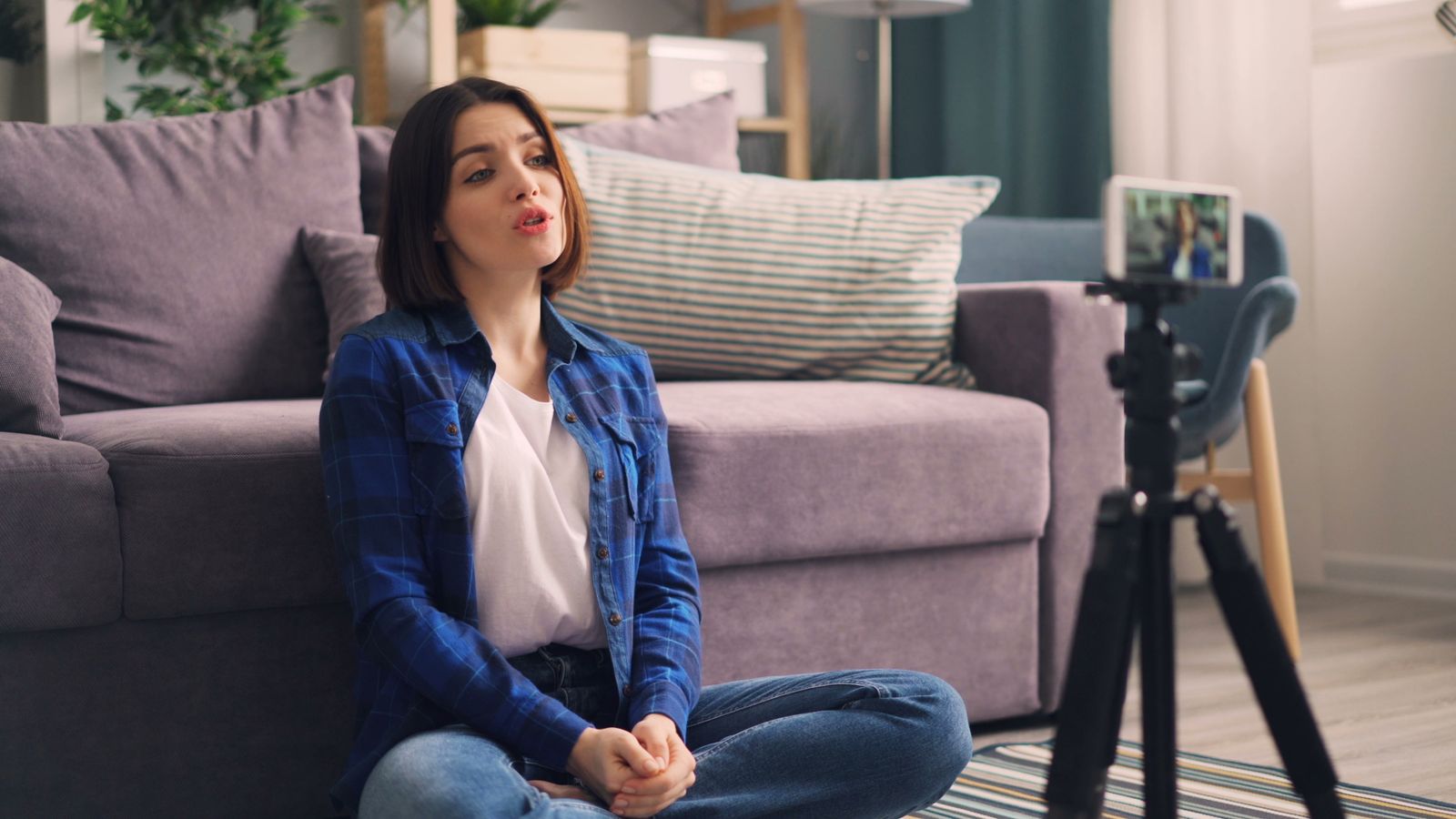
- Camera pass: record the full scene without stopping.
Changing the purpose keeps repetition from becoming imitation of yourself.
Practise picking up sides quickly
Not every session needs memorisation. Give yourself 15 or 30 minutes with an unfamiliar scene, then record one complete take.
The goal is not a perfect result. Notice how quickly you can identify facts, relationship, beats, and cues. This creates a repeatable process for real last-minute auditions.
Train your listening on camera
Record a version where you deliberately avoid planning your next line while the reader speaks. Let the information land before deciding what to do with it.
Watch the take once without sound. Are your thoughts visible? Does your attention remain with the other person? Do you anticipate familiar cues? Silent review can reveal habits that dialogue hides.
Work on one camera habit at a time
Choose a single technical focus for the session:
- Keeping the eyeline close to camera
- Remaining in frame during an intense moment
- Reducing unnecessary gestures
- Allowing stillness without losing intention
- Speaking at a natural level rather than projecting to the phone
Trying to correct every habit at once usually makes the acting self-conscious.
Create contrasting takes
Record two versions built on genuinely different choices, not simply louder and quieter delivery. In one, you may hide what you want; in another, you may risk asking directly. In one, the relationship is secure; in another, it may be ending.
Compare which choice makes the writing clearer and which produces more specific behaviour. Keep the useful discovery, then let go of the result.
Keep a short practice log
After the session, write three lines:
- What became clearer?
- What habit appeared?
- What will the next session test?
Do not turn the log into a verdict on your talent. It is a record of experiments.
Finish before the work goes flat
Twenty focused minutes can be more useful than two hours of tired repetition. Stop after you have answered the session's question or found a new one worth returning to.
Consistent practice is not about manufacturing a finished performance every day. It is about keeping the path from page to playable behaviour familiar.